LIVE REPORT - BLUE GALAXY 7/24 FRI
ENG: DJ HANA-G

Posted on 2026.7.24 15:16
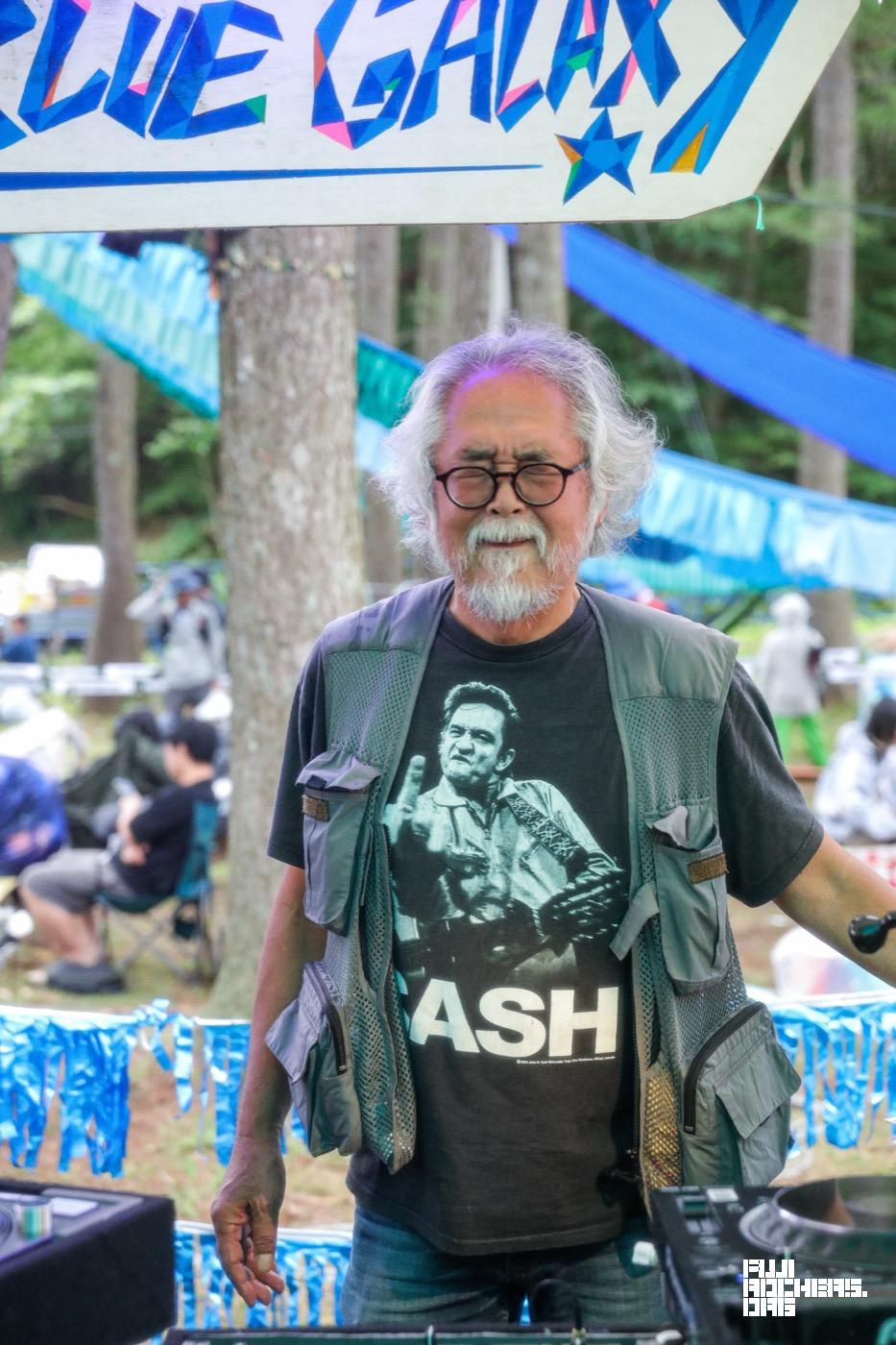
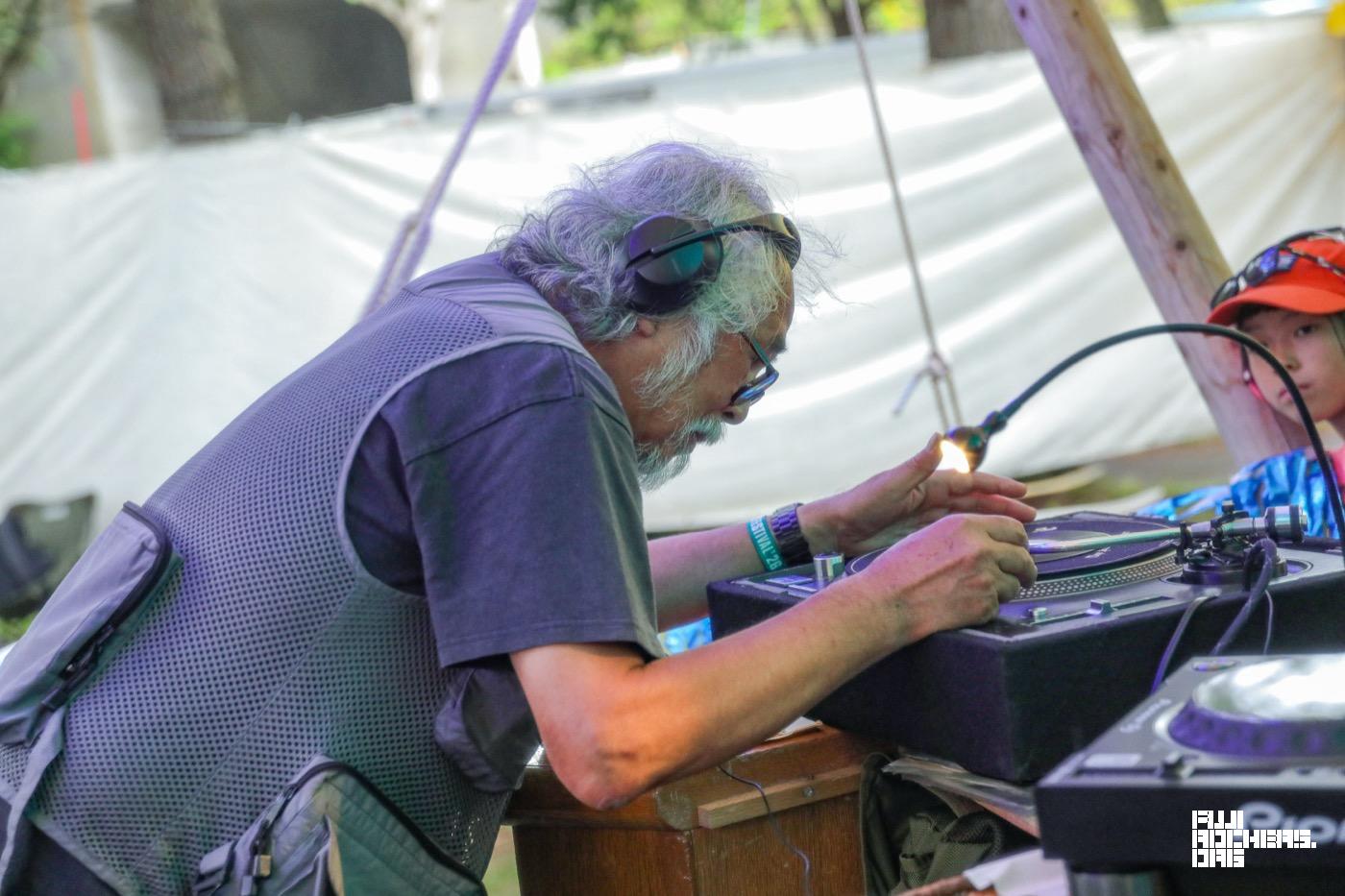
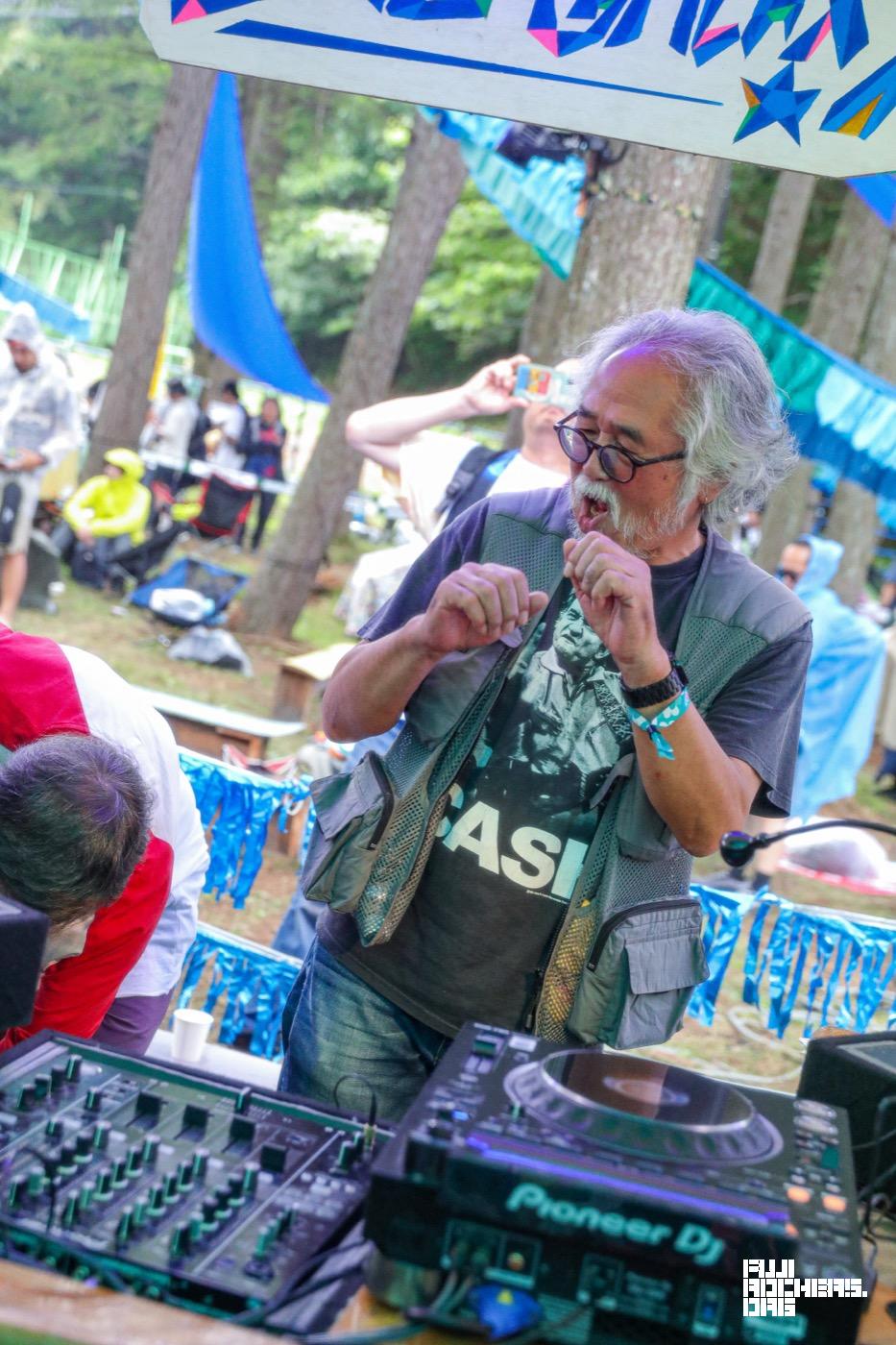
Koichi Hana-G spins a ska history lesson at Fuji Rock, one rare record at a time
Some DJs chase the latest tracks. Others dig through the past. Koichi Hana-G belongs firmly in the second camp.
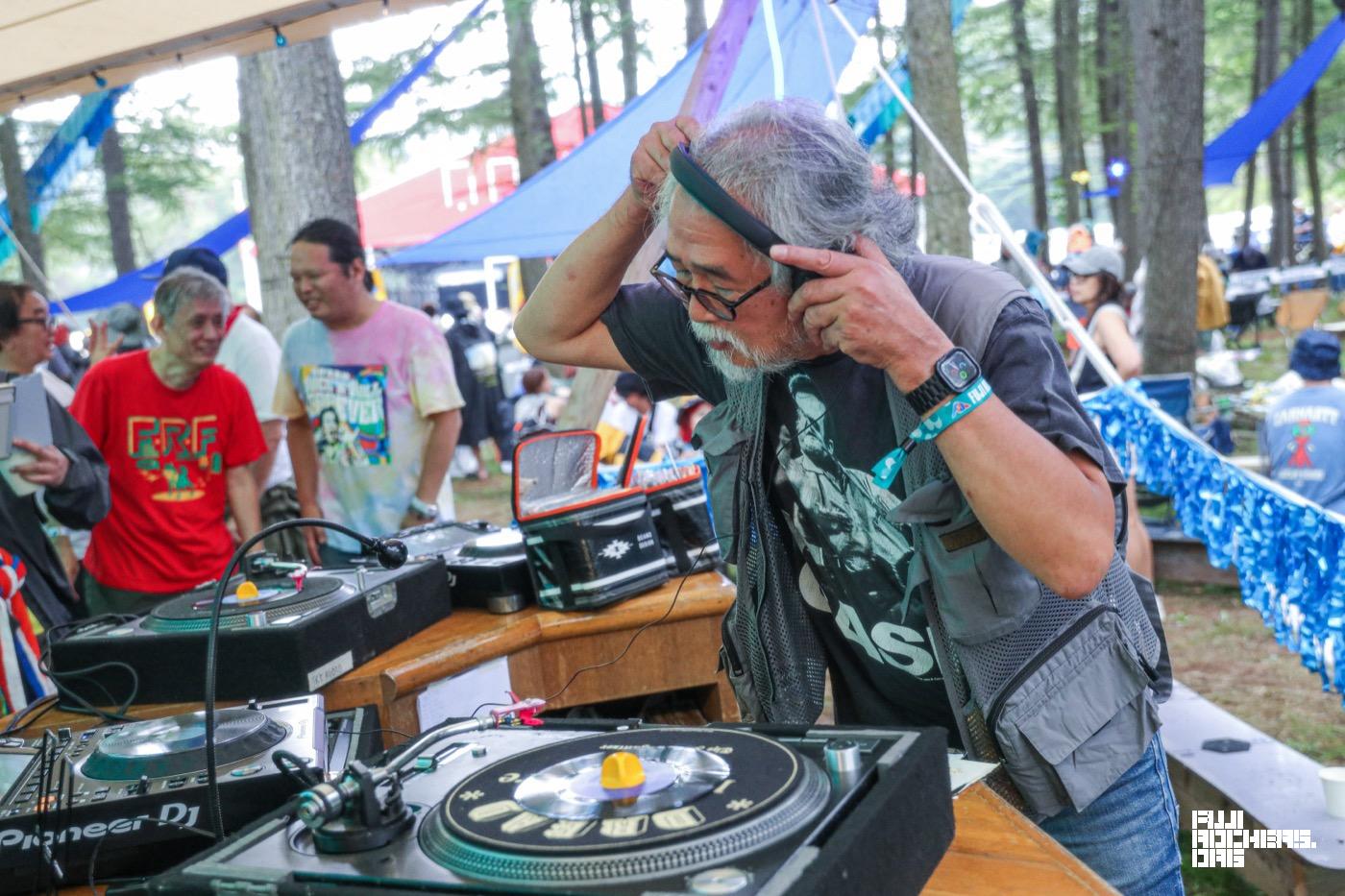
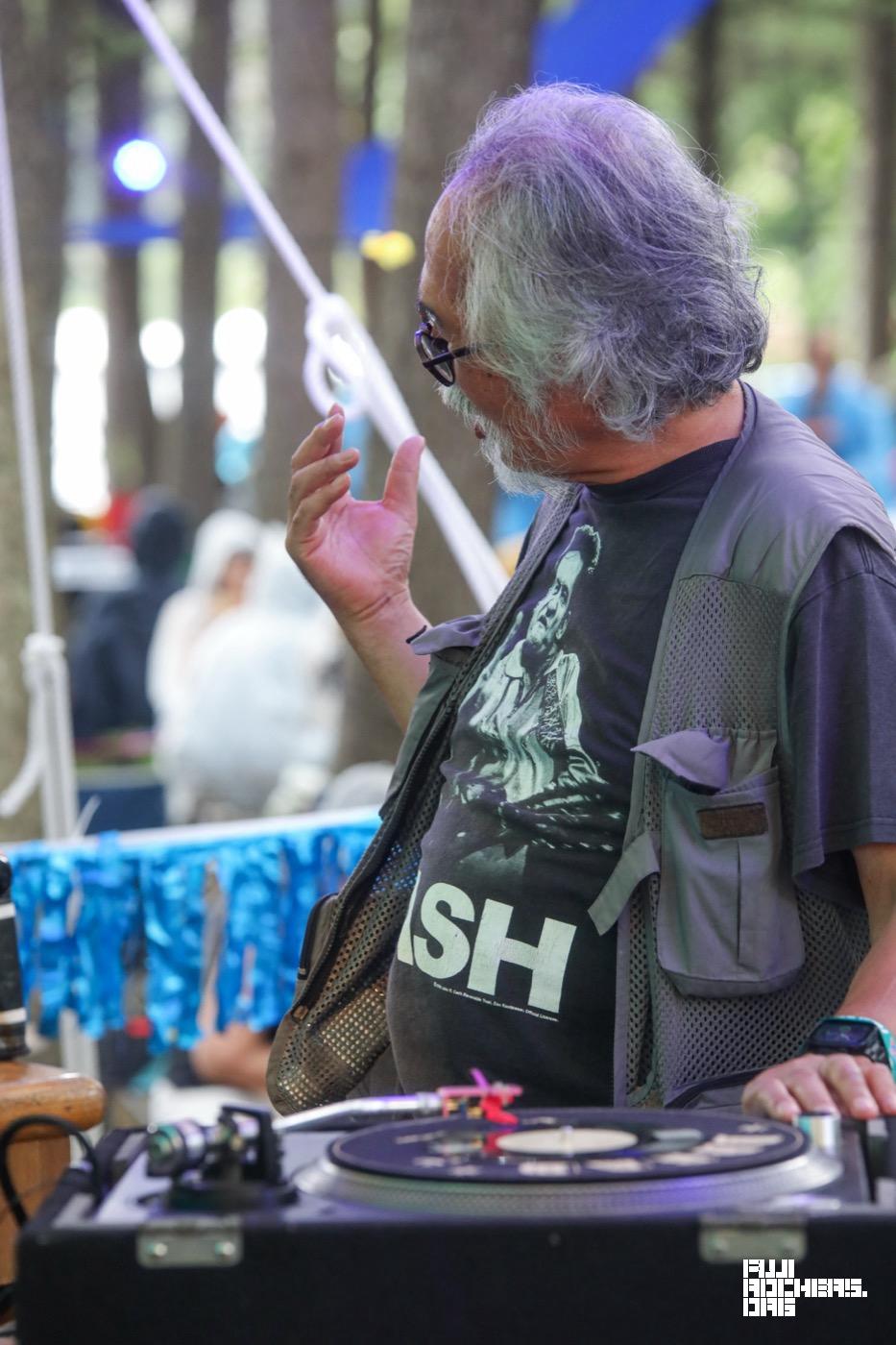
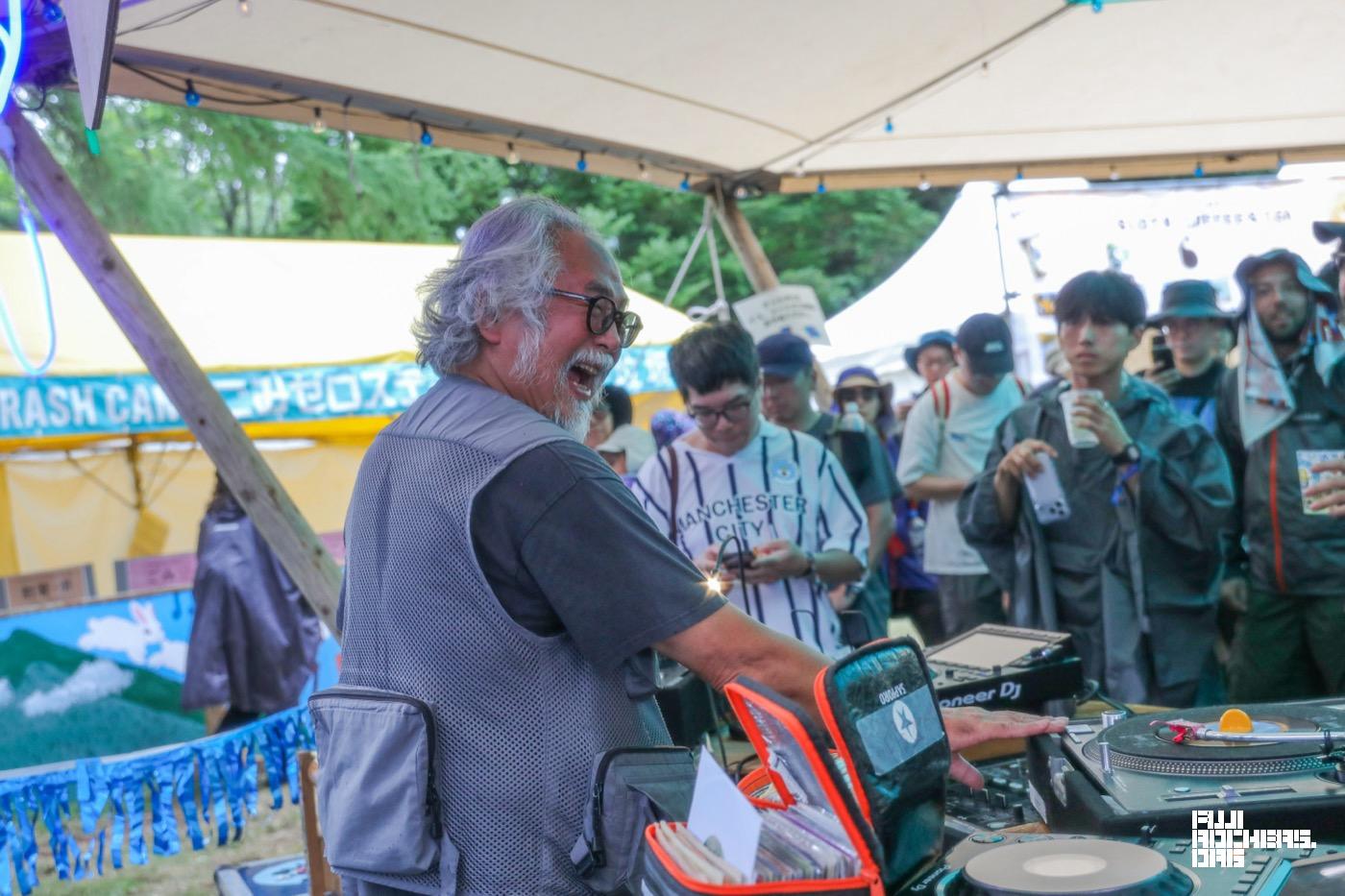
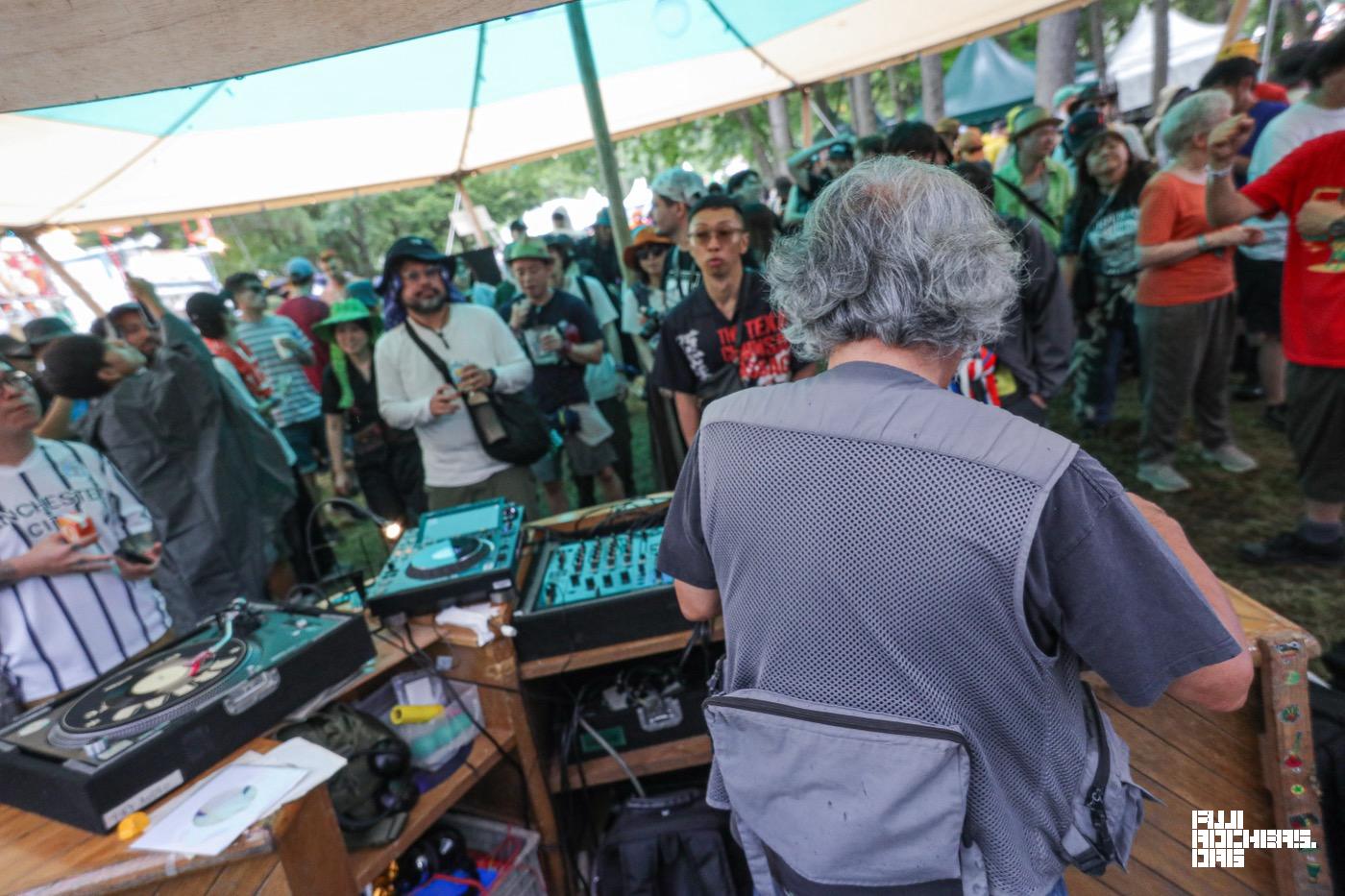
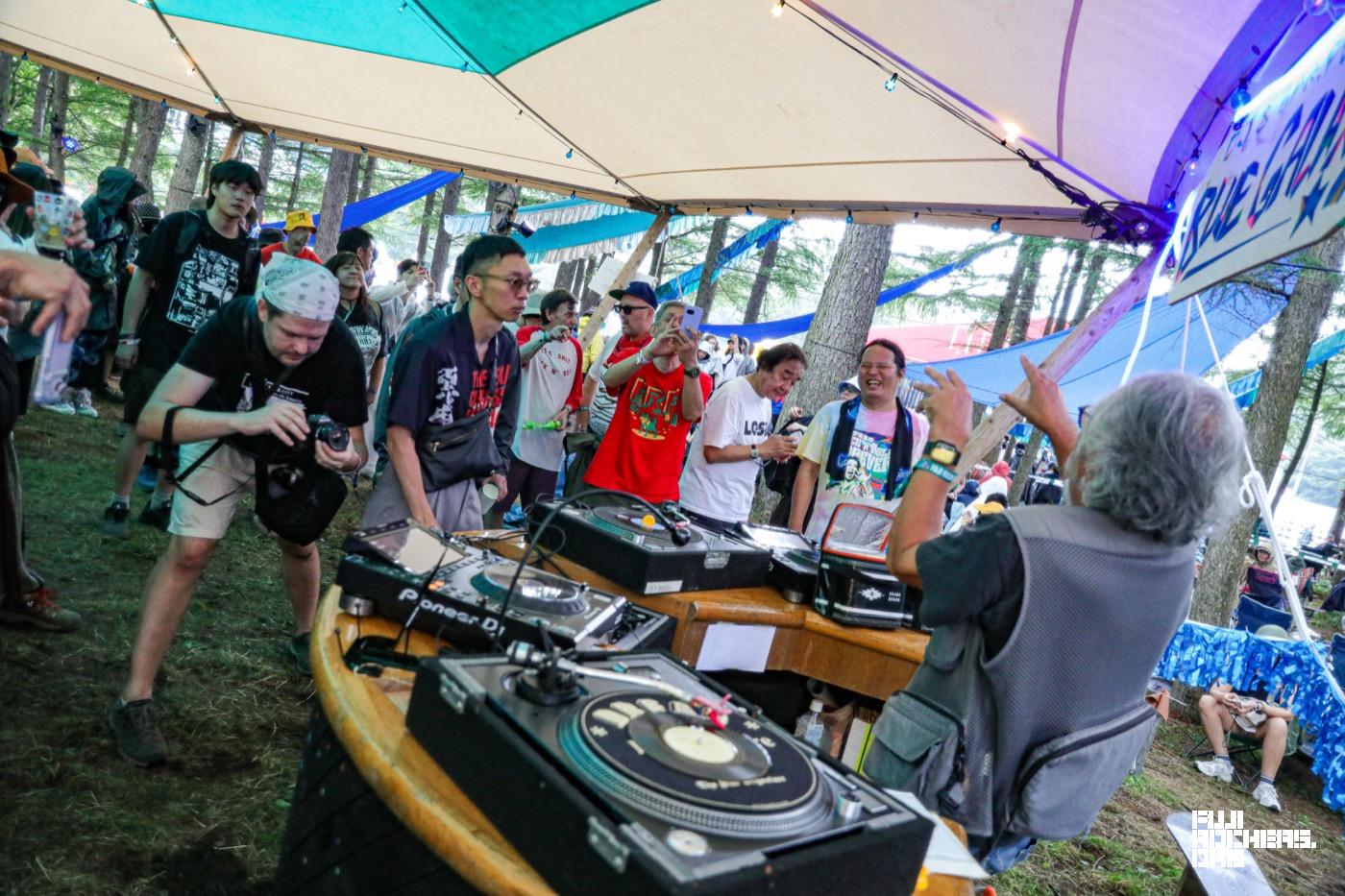
Playing to a crowd of ska devotees at Fuji Rock, the veteran Japanese selector delivered a masterclass in the music’s history, tracing a path from Jamaican pioneers to Britain’s 2 Tone revival before bringing the journey home with Japanese ska and reggae rarities. It wasn’t simply a DJ set—it was a vinyl history lesson from someone who has spent decades collecting the records that shaped the genre.
The opening selection immediately set the tone. Rather than launching into an obvious dance-floor anthem, Koichi paid tribute to Gaz Mayall, one of Britain’s most influential ambassadors of ska, reggae, and rhythm and blues.
“The reason I started with Gaz’s records was because it was the 40th anniversary of Gaz’s his first visit to Japan back in 1986. His club has the 46th anniversary a while back.”
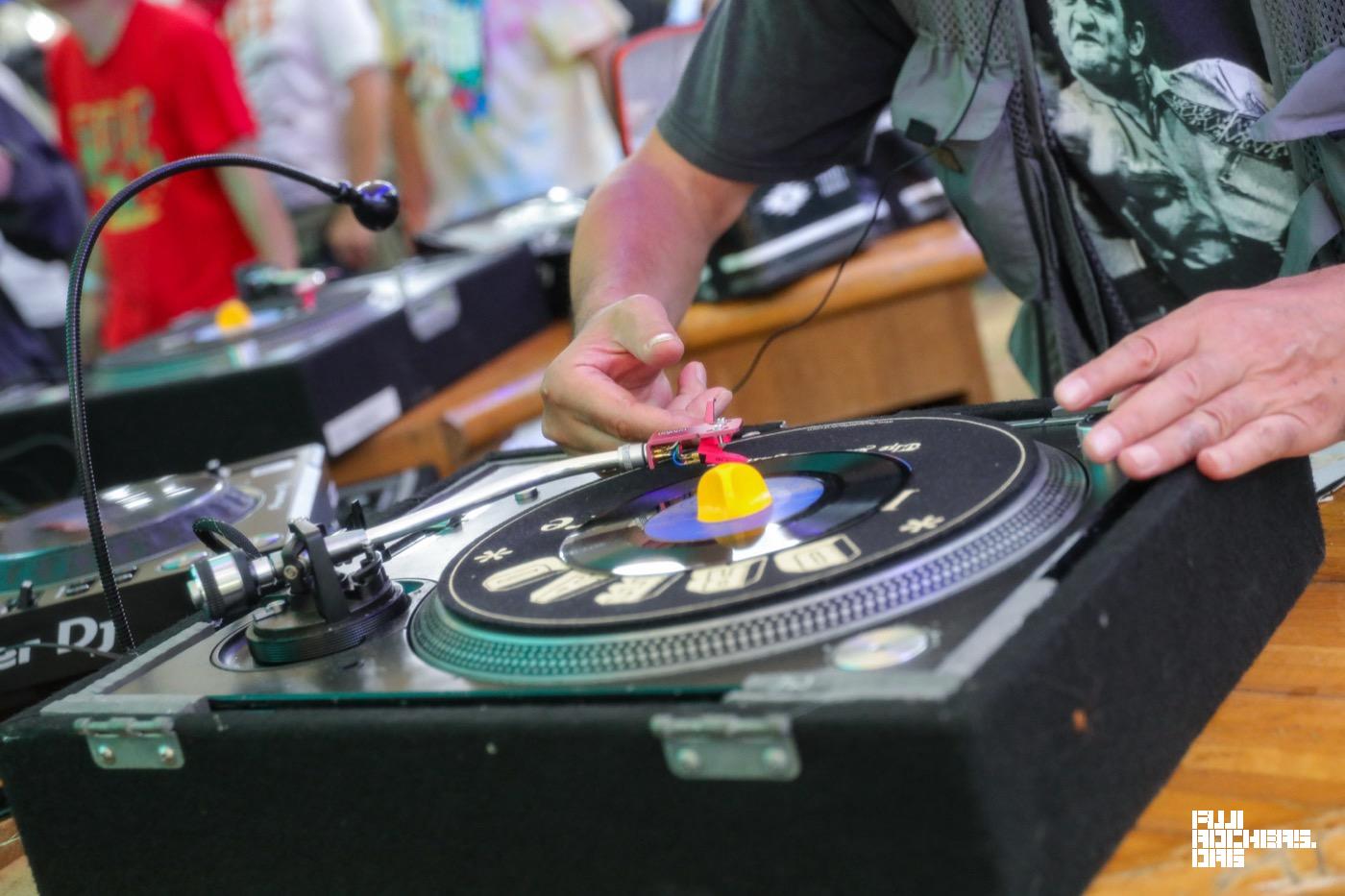
The first record to hit the turntable was “Western Special” by Potato5, carrying the catalog number GAZ001—one of the earliest releases from Gaz Mayall’s independent label, Gaz’s Rockin’ Records.
It was a fitting tribute. Mayall spent more than four decades introducing generations of British music fans to Jamaican ska, rocksteady and reggae through his legendary London club night, Gaz’s Rockin’ Blues, and his record label. At a time when ska was far from mainstream, Mayall became one of its most passionate advocates, helping preserve the genre while nurturing a new generation of musicians.
Koichi followed with classics by Laurel Aitken with Potato5, effectively taking the audience back to ska’s Jamaican roots. Often called the “Godfather of Ska,” Aitken was one of the genre’s founding voices during the late 1950s and early 1960s. Decades later, he became a central figure in Britain’s ska revival, regularly performing at Gaz Mayall’s club nights while collaborating with younger bands inspired by Jamaica’s original sound.
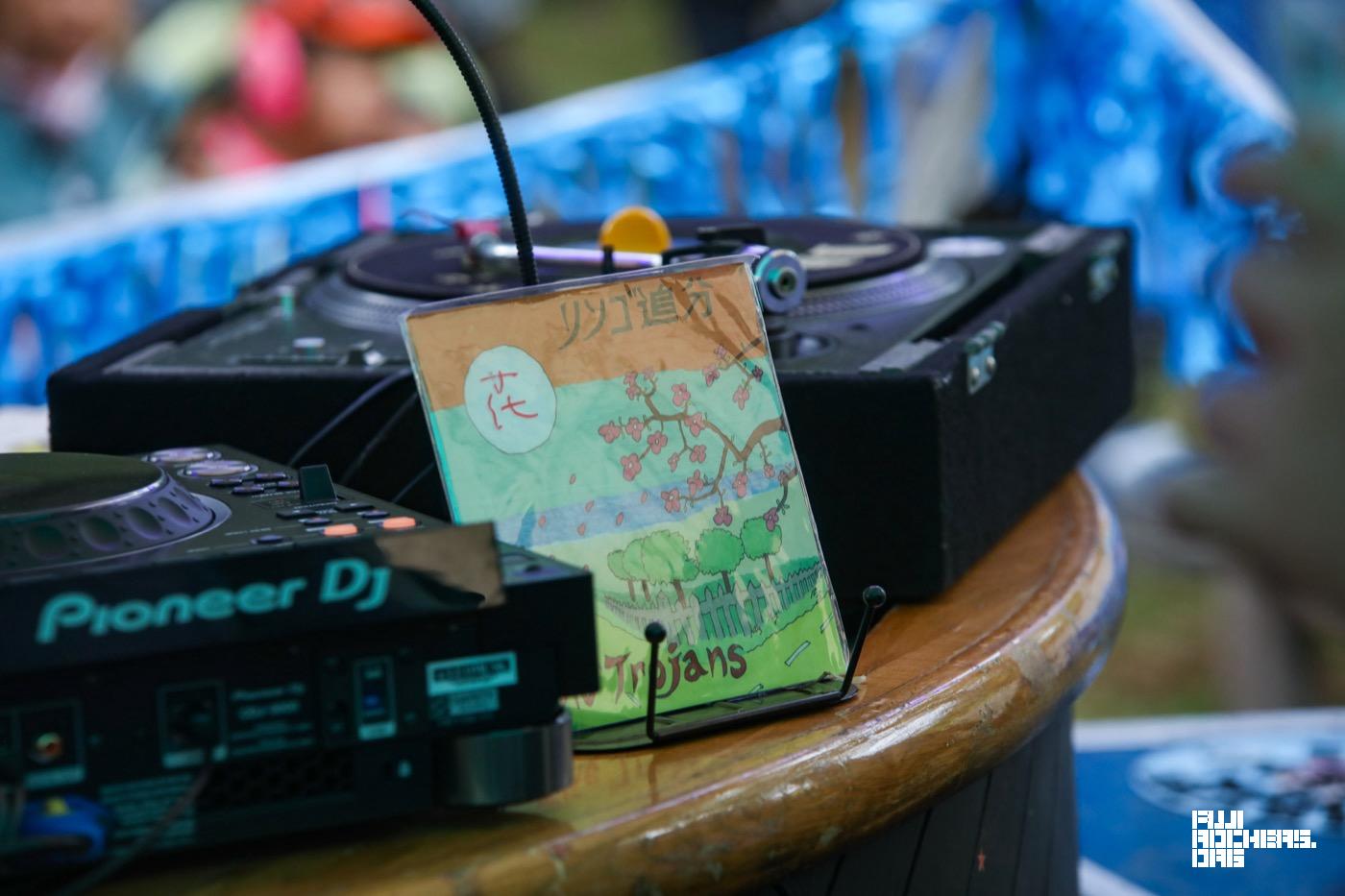
Those connections ran deep. Mayall’s own band, The Trojans, first shared a stage with Aitken in 1986, and the two became close collaborators. Through Gaz’s Rockin’ Records, Mayall released recordings that bridged the gap between Jamaica’s first wave of ska and Britain’s thriving underground revival, helping introduce classic artists to entirely new audiences.
Koichi acknowledged that history by dropping The Trojans’ “Ringo.”
Without missing a beat, he crossed the globe with The Ska Flames’ “Osaka Ska,” one of Japan’s defining ska recordings. The transition perfectly illustrated how the genre has evolved over six decades while retaining the same infectious off-beat rhythm that first emerged in Kingston.
Next came another Japanese favorite, Determinations, whose soulful take on Jamaican rhythms has earned them cult status among collectors. Just when listeners thought the direction of the set had become predictable, Koichi pulled another surprise from his record box.
A Japanese R&B song or Jump style song, “Yakkosan“, was then played by the late Chiemi Eri. Koichi jokingly referred to the hybrid sound as “Dodonpa,” delighting the audience with the unexpected stylistic turn. The original is Japanese, a kind of trad song, arranged by Hachidai Nakamura Trio, a jazz unit, jazzy, r&r, r&b, jump, what Koichi describes as a “swingy killer track.”
That willingness to blur musical boundaries has long defined Japanese ska culture, where selectors often move effortlessly between reggae, soul, pop and traditional Japanese music while maintaining a dance-floor groove.
The surprises kept coming. Koichi spun “What’s Love?” a deep reggae version of a super big hit of an enka track, later dropping one of Japan’s quirkiest reggae recordings, James Bong’s “Shōbai Hanjō ja Sasa Motte Reggae” (“Prosperous Business, Carry Bamboo Leaves Reggae”).
Equal parts novelty song and genuine reggae groove, it demonstrated the playful spirit that has long characterized Japan’s interpretation of Jamaican music. Throughout the afternoon, Koichi proved that a great DJ doesn’t simply play songs. He tells stories.
Each record built upon the last, connecting Kingston, London, Osaka and Tokyo through decades of shared musical history. Rare pressings, deep cuts, and collector favorites flowed together naturally, rewarding longtime ska fans while offering newcomers a crash course in one of popular music’s richest traditions.
It was also a reminder of Gaz Mayall’s lasting influence. Without selectors like Mayall tirelessly championing Jamaican music through clubs, labels, and radio, much of the global ska community that exists today—including scenes in Japan—might never have flourished.
Koichi Hana-G’s set honored that legacy in the best possible way: not with speeches or sentimentality, but by letting the records do the talking.
And as every great selector knows, the right record always tells the best story.
[写真:全10枚]